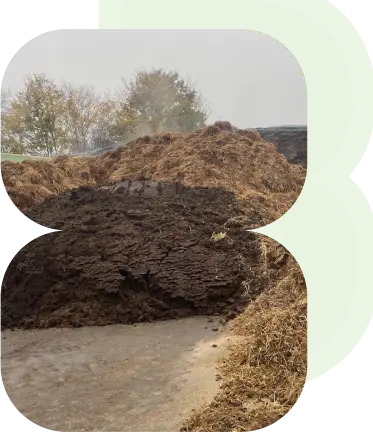
Feedstocks
In addition to organic waste, certain energy crops can be cultivated specifically for biogas production. These crops are especially beneficial because they require low fertility, making them cost-effective to grow with minimal energy input for planting and harvesting. Suitable energy crops for biogas generation include sugarcane bagasse, sorghum, Napier grass, and woody crops like poplar and willows. These crops are ideal for use in biogas plants or agricultural waste management programs. Furthermore, byproducts from biofuel production, such as ethanol stillage wastewater and glycerol wastewater from biodiesel production, can be converted into biogas, contributing to the overall energy recovery process and enhancing sustainability.
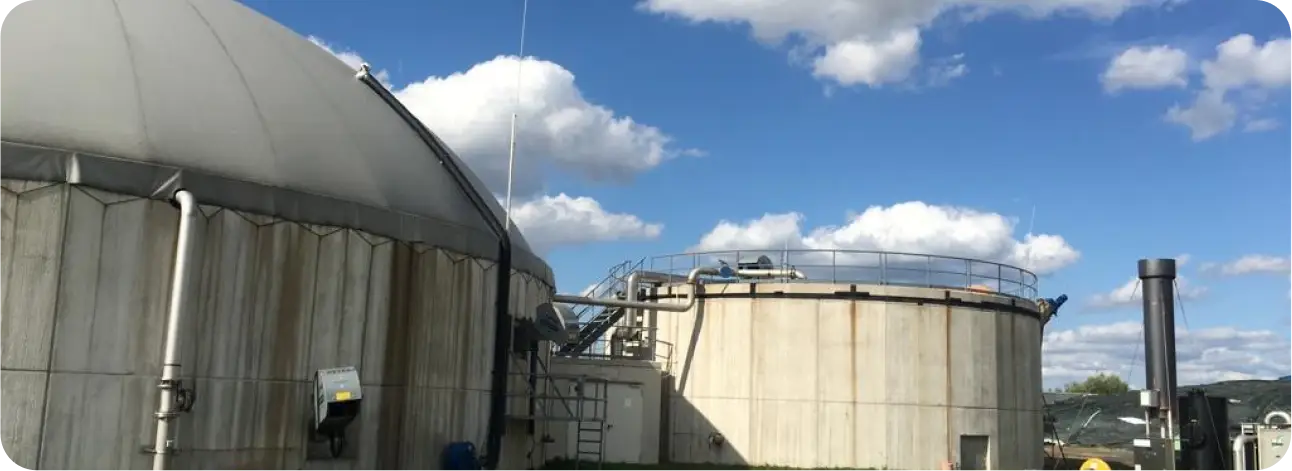
01
Napier Grass
Napier grass, a tropical perennial plant, is well-suited for biogas production due to its ability to thrive in drought and dry conditions. This robust plant is highly efficient as a feedstock because of its high organic content and favorable growth characteristics. As an energy crop, Napier grass offers significant advantages for renewable energy generation, making it an ideal choice for biogas plants. Its resilience and adaptability to various environmental conditions, including low rainfall, further contribute to its potential as a sustainable energy source.

02
Filter Cake/Press Mud
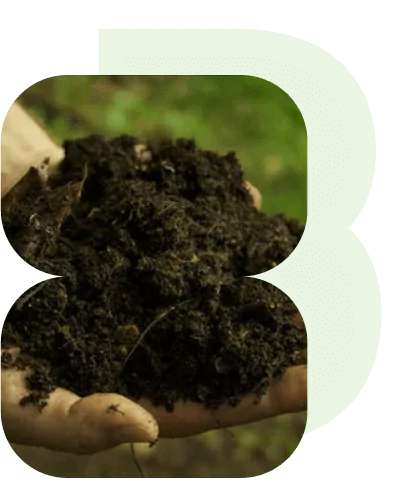
Filter cake, also known as press mud, is a by-product generated during the sugar manufacturing process. It is a highly effective biomass feedstock for biogas generation, making it an important resource for renewable energy production. Biogas generated from filter cake can be used for various purposes, including power generation or converted into BioCNG/CBG (Compressed Biogas), providing a sustainable energy solution. With years of expertise in setting up and operating press mud-based biogas plants, J&F Biogas has successfully commercialized this feedstock for energy production, contributing to both clean energy solutions and waste-to-energy initiatives.
03
Paddy Straw
Paddy straw is a promising feedstock for biogas generation due to its high organic content, particularly cellulose, hemicellulose, and lignin. This abundant agricultural waste is rich in lignocellulose, making it an ideal candidate for biofuel production. However, in countries like India, paddy straw is often disposed of through burning, causing severe air pollution and environmental damage. Instead of this traditional disposal method, paddy straw can be used effectively for biogas production, providing both environmental and economic benefits by reducing waste and generating renewable energy.

04
Municipal Solid Waste (MSW)
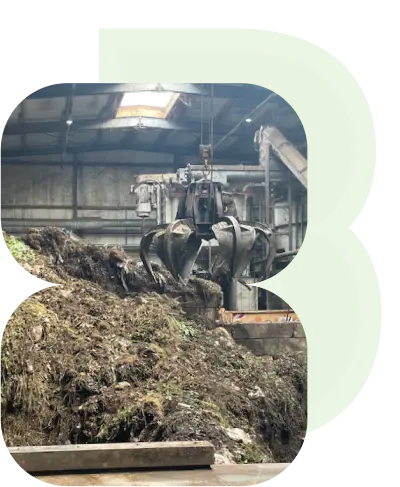
J&F Biogas brings several years of expertise in designing, developing, and operating Municipal Solid Waste (MSW)-based biogas plants. One of the company’s landmark projects includes the Fürstenwalde plant in Germany, which has been in operation for over 10 years. This MSW biogas plant was designed to process approximately 40,000 tonnes of municipal solid waste annually, making it one of the significant waste-to-energy facilities in the region. The plant generates 1.4 MWe of electricity from the biogas produced, showcasing the efficiency and potential of using MSW as a feedstock for biogas production.
05
Cow Dung/Poultry Waste
Cow dung and poultry waste are valuable organic feedstocks for biogas production. These materials are first collected and blended into a uniform slurry in a storage tank. The slurry is then transferred into sealed digesters, where the process of anaerobic digestion takes place. In the absence of oxygen, microorganisms break down the organic matter, producing methane (CH₄), carbon dioxide (CO₂), and other gases.